Crown Reduction in Finchley
If you are looking for crown reduction in Finchley, you are probably dealing with a tree that has become too large, too wide, or too close to your home, garden, driveway, or nearby buildings. In a built-up area like Finchley, trees add real value to a property, but they can also create practical issues when they outgrow their space. A careful crown reduction can help restore balance, improve light, reduce wind resistance, and make a tree safer and easier to live with, without removing the tree altogether.
For homeowners, landlords, housing managers, schools, offices, shops, and other local premises, crown reduction is often the right choice when a tree needs to be managed sensibly rather than taken out. The key is to carry out the work with an understanding of tree biology, local surroundings, and the end result you want. In Finchley, that often means working around narrow side access, close neighbours, mature gardens, protected trees, and busy streets where tidy, controlled work really matters.
This page explains what crown reduction involves, when it is suitable, what is usually included, and why choosing a local tree surgery team in Finchley can make the whole process easier. If you need a tree reduced for safety, appearance, or practical reasons, contact us today to discuss the options and request a free quote.
What Crown Reduction Means for Your Tree

Crown reduction is the process of reducing the overall size of a tree’s canopy while keeping the tree’s natural shape as much as possible. A skilled arborist removes selected branches back to suitable growth points, shortening the outer edges of the crown and reducing height or spread in a controlled way. The aim is not to flatten the tree or make it look stripped back; the aim is to reduce volume while preserving health, structure, and appearance.
In practical terms, crown reduction can help when a tree is beginning to crowd a garden, block windows, interfere with neighbouring boundaries, or place strain on branches during high winds. It is often chosen over more drastic pruning because it can retain the tree’s character while making it more manageable. For many Finchley properties, especially those with mature gardens or limited space between homes, this balance is exactly what is needed.
It is important to distinguish crown reduction from other tree work. Crown thinning, for example, removes selected internal branches to let more light and wind pass through the canopy without changing the size dramatically. Crown lifting removes lower branches to improve clearance below the tree. Crown reduction, by contrast, reduces the overall dimensions of the crown. The right method depends on the tree species, condition, surroundings, and your goals.
Why People in Finchley Ask for Crown Reduction
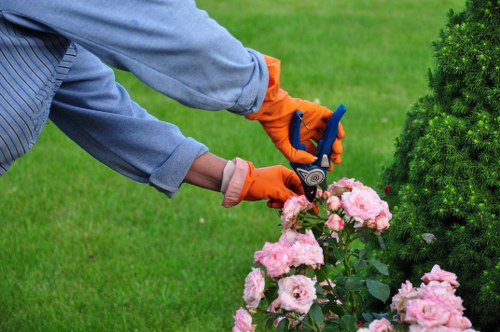
Finchley includes a wide range of homes and premises, from period houses with established gardens to modern developments, flats, schools, commercial frontages, and shared residential spaces. That mix means trees have to work hard in tight environments. A tree that was once perfectly placed can eventually become too large for its setting, particularly if it has not been managed for several years.
There are several common reasons local customers request crown reduction in Finchley. A tree may be shading a garden that needs more light, leaning visually too close to a roofline, shedding branches over a walkway, or creating a sense of enclosure in a small outdoor space. In some cases, branches may be too near neighbouring properties or overhanging a road, pavement, or parking area, making regular management more urgent.
Some trees also need reduction for structural reasons. If a canopy has become unbalanced, if branches have extended too far after previous poor pruning, or if wind exposure is an issue, the crown may need to be reduced to lessen leverage and reduce the risk of damage. For local customers, the best outcome is usually a tree that looks natural, remains healthy, and no longer causes day-to-day problems.
When Crown Reduction Is the Right Option

Crown reduction is not suitable for every tree, and a good tree surgeon will always assess the situation before recommending work. It is most useful when the tree is otherwise healthy but simply too large for its current setting. If the tree is diseased, significantly decayed, or unsafe in a deeper structural sense, a different approach may be more appropriate. That is why an honest assessment matters.
For Finchley property owners, crown reduction is often the right choice when there is a clear need to reduce height or spread without removing the tree altogether. For example, a mature tree near a rear boundary may be blocking garden use, or a roadside tree may need its canopy brought back from a roof, wall, or overhead cable zone. In these cases, a reduction can improve usability while keeping the benefits of the tree.
It can also be the preferred option where a tree has undergone previous work and now needs to be brought back into proportion. This is common with older gardens, where trees may have been left to grow for years and now dominate the site. In such cases, a careful reduction can help restore a more manageable form and make future maintenance simpler.
Common signs that a crown reduction may be needed
- The tree is blocking too much light into the house or garden.
- Branches are crowding roofs, gutters, fences, or neighbouring spaces.
- The crown looks unbalanced or top-heavy.
- The tree is exposed to stronger winds and needs a smaller sail area.
- You want to keep the tree but improve clearance and usability.
How the Service Works

Every crown reduction should start with a proper assessment. A local tree surgeon will normally inspect the species, size, condition, branch structure, location, and access around the tree. This helps determine how much can be safely reduced, where cuts should be made, and whether the work is suitable for the tree’s long-term health. The exact approach will vary depending on whether the tree is in a front garden, back garden, shared access path, driveway, or commercial site.
Once the plan is agreed, the team will carry out the reduction using appropriate climbing, cutting, and lowering techniques. The goal is to reshape the canopy evenly and avoid over-pruning. Good work leaves the tree looking balanced rather than heavily cut back. In many Finchley locations, careful section-by-section lowering is especially important because there may be fences, sheds, conservatories, vehicles, planting beds, or neighbouring property close by.
After the work, the team should clear away the arisings and leave the site tidy. Depending on the arrangement, branches and green waste can often be removed from site rather than left behind. Some customers also choose to keep wood chip or timber for their own use, where suitable. If you are arranging crown reduction in Finchley, it is worth asking in advance what is included so there are no surprises on the day.
Typical steps in a professional crown reduction
- Initial inspection and discussion of the tree’s condition and your aims.
- Planning the amount of reduction that is appropriate for the species and setting.
- Carrying out controlled pruning to suitable growth points.
- Managing larger limbs carefully in tight or sensitive spaces.
- Clearing debris and leaving the area tidy.
Benefits for Homes, Gardens, and Businesses in Finchley

Crown reduction offers a practical solution for many local properties. In homes, it can improve daylight, reduce overhang onto patios and lawns, and make outdoor space feel more open again. In commercial settings, it can improve access, visibility, and safety around entrances, car parks, and shared boundaries. For landlords and managing agents, it can also help reduce complaints from tenants or neighbours by keeping trees under better control.
One of the biggest benefits is that it can extend the useful life of a tree that would otherwise become a nuisance. Instead of removing a mature tree and losing its character, shade, and ecological value, crown reduction can help you keep the tree while removing the immediate problem. That is especially important in parts of Finchley where mature trees contribute to the feel of the street and the privacy of a garden.
It can also reduce storm-related stress. A smaller crown presents less surface area to strong winds, which can be helpful for exposed trees and for properties where falling branches would be particularly troublesome. While no pruning can remove all risk, a well-executed reduction can support better tree management and more comfortable use of the surrounding space.
Practical benefits customers often want
- More daylight into rooms and gardens.
- Less overhang onto neighbouring land.
- Improved tree shape and balance.
- Reduced pressure from wind exposure.
- Better clearance around paths, roofs, and parking areas.
- A more manageable tree for future maintenance.
Local Knowledge Matters in Finchley
Choosing a local company for crown reduction in Finchley can make a real difference to how smoothly the job runs. This area includes a mix of narrow residential streets, busy main roads, and properties where access is not always straightforward. A team that regularly works in and around Finchley is more likely to understand the challenges of parking, neighbour access, driveway protection, and working efficiently without causing unnecessary disruption.
Local experience is also useful because Finchley has many mature trees in established gardens, and different species respond differently to pruning. A tree surgeon who knows how to work with those species, and who has experience with urban and suburban settings, can make better decisions about the amount of reduction and the quality of the final shape. That matters if you want the work done properly rather than rushed.
There is also the question of planning and tree protection. Some trees may be subject to restrictions depending on their status or location, and customers often want reassurance that the work is being handled responsibly. A local team can help you understand whether further checks are needed before work begins, which is especially valuable if you are managing a mature tree close to neighbouring homes or a shared boundary.
Why local service is especially useful here
- Knowledge of tighter parking and access conditions.
- Experience with back gardens, side alleys, and enclosed plots.
- Familiarity with mixed residential and commercial environments.
- Better understanding of common local tree species and growth habits.
- More practical planning for waste removal and tidy working.
What Is Included in a Crown Reduction Service
Customers often want to know what they are actually paying for when they book tree work. A proper crown reduction service should include more than just cutting branches back. It should include assessment, planning, safe execution, and a tidy finish. The exact details can vary depending on the tree and the site, but a good service should always be transparent about the scope of work.
In most cases, the service will include reducing the height and/or spread of the canopy to an agreed amount, cutting back to suitable growth points, and shaping the tree so it remains natural-looking. The team may also remove dead, damaged, or awkward branches as part of the process where appropriate. If the tree requires extra care because of nearby structures or difficult access, that should be factored into the method from the start.
Customers should also expect clear communication about waste handling, access requirements, and any limitations on what can be safely achieved. A responsible tree surgeon will not promise a dramatic reduction that would harm the tree. Instead, they will explain what is sensible for the species, condition, and location. That honesty is one of the most important parts of the service.
Often included in the work
- Site assessment and discussion of the target size.
- Controlled pruning to reduce crown height and spread.
- Management of branches in confined spaces.
- Removal or clearance of arisings where agreed.
- Leaving the site tidy and ready to use.
How to Prepare for the Work
A little preparation can help the job run more safely and efficiently. Before the team arrives, it helps to think about access, parking, and any objects that may be in the way. In Finchley, where many properties have limited driveway space or shared access routes, this can be particularly helpful. If there is a rear garden, make sure gates are unlocked and pathways are clear where possible.
If the tree is near delicate plants, garden furniture, ornaments, water features, or other items you want to protect, move them if you can. If this is not possible, let the team know in advance so they can plan the work accordingly. The same applies if there are pets, children, or neighbours who may need notice of the work. Good planning helps reduce disruption and keeps everyone safer.
It is also useful to decide what you want from the final result. For instance, are you mainly looking for more light, better clearance, or a neater outline? The more clearly you can explain the goal, the easier it is for the tree surgeon to recommend the right reduction level. If you are unsure, ask for advice during the assessment so you can make a confident decision before booking.
Simple preparation checklist
- Clear access routes if possible.
- Move cars, bicycles, and garden items away from the work area.
- Secure pets and let family members know the time of the visit.
- Point out any fragile features, cables, or hidden obstacles.
- Think about your preferred outcome before the work starts.
Pricing Factors and What Affects the Quote
People often ask what affects the cost of crown reduction in Finchley. While exact prices cannot be stated without seeing the tree, there are several common factors that influence the quote. The size of the tree is one of the biggest considerations, because taller or wider trees usually take longer and require more careful handling. Species also matter, since some trees are easier to reshape than others.
Access is another major factor. A tree in a spacious front garden may be relatively straightforward, while a tree squeezed between buildings, overhanging a conservatory, or positioned in a hard-to-reach back garden may require more time and specialist techniques. Waste removal, traffic management, and the amount of material to be taken away can also affect the overall job.
Condition and complexity matter too. A well-formed tree with a straightforward canopy will usually be simpler than a tree with previous poor pruning, heavy deadwood, or an unbalanced structure. If the work needs to be carried out around sensitive features or near public areas, the method becomes more detailed. When requesting a quote, it helps to be clear about what the tree is doing, what you hope to achieve, and whether access is likely to be difficult.
Common factors that influence cost
- Tree height, spread, and overall volume.
- Species and growth habit.
- Access to the tree and room to work safely.
- Amount of waste to remove.
- Complexity of the site, including nearby structures.
- Any extra care needed for a protected or sensitive setting.
Residential and Commercial Customers We Work With
Tree work in Finchley is not only for homeowners with back gardens. Crown reduction is also relevant to landlords, property managers, businesses, schools, care facilities, and community buildings. Each type of site brings different priorities. A family home may need more light and space, while a business may need better access and a cleaner appearance at the front of the property.
Commercial customers often want work carried out with minimal disruption to staff, visitors, and deliveries. That means planning around opening hours, shared entrances, car parks, and foot traffic. For residential customers, priorities may be quieter working, tidy clearance, and making sure neighbouring boundaries are handled respectfully. A good local tree team understands these differences and adapts the service accordingly.
Whether you are dealing with one tree or several, the process should remain focused on safety, clarity, and sensible tree care. If you are responsible for managing a property and need crown reduction in Finchley, asking for a site-specific assessment is the best way to ensure the work fits the setting properly.
Areas Covered Around Finchley
Local tree services often support customers across Finchley and nearby neighbourhoods, including areas such as East Finchley, North Finchley, West Finchley, Friern Barnet, Temple Fortune, Muswell Hill, Hendon, Golders Green, and parts of Barnet. The exact area covered may depend on the size of the job and access to the site, but local customers in surrounding streets and estates often benefit from the same responsive service.
This wider local knowledge is useful because tree work in North London can vary a lot from one road to the next. A quiet residential cul-de-sac may be very different from a busier road with tighter parking and more public passing traffic. Having a team that works across the surrounding area helps with planning, estimating, and arriving prepared for the conditions on site.
If you are not sure whether your property falls within the usual service area, it is best to ask when requesting a quote. A local company will usually be able to advise quickly on whether the work is suitable and what access details they need to know before visiting.
Frequently Asked Questions
How much can a tree be reduced?
That depends on the species, condition, and shape of the tree. A responsible arborist will recommend a sensible level of reduction rather than cutting back too hard. The aim is to keep the tree healthy and attractive while making it more manageable.
Will crown reduction damage my tree?
When done properly, crown reduction is a controlled pruning method designed to support the tree’s long-term health. Problems usually arise when trees are reduced too heavily or cut without understanding growth points. That is why using an experienced tree surgeon matters.
How often will my tree need attention after a reduction?
That varies. Some trees will need periodic maintenance every few years, while others grow more slowly and require less frequent work. The species, soil conditions, and space available all play a part. Your tree surgeon should explain what to expect after the work is completed.
Can you reduce a tree near my house or fence?
Yes, in many cases. However, trees near buildings, fences, conservatories, or neighbouring gardens require careful planning and controlled cutting. The team should assess access and choose a method that protects surrounding features.
Do I need permission first?
Some trees may be protected or subject to specific local controls, depending on their status and location. It is sensible to check this before work starts. A local professional can often point you in the right direction and help you understand whether any further steps are needed.
Is crown reduction suitable for every tree?
No. Some trees respond well, while others are better suited to thinning, lifting, deadwood removal, or, in some cases, removal. A site visit or detailed discussion is the best way to decide on the right approach.
Why Choose a Local Team for Crown Reduction in Finchley
There are good reasons to choose a local team rather than someone unfamiliar with the area. Local tree surgeons understand the property layouts, access constraints, and common tree issues that come with Finchley homes and businesses. They are also more likely to plan work in a way that respects neighbours, local traffic, and the practicalities of getting equipment on site.
Another advantage is responsiveness. If a tree is causing immediate concern, or if you need work planned around a tenant move, business opening, or another deadline, a local service is easier to coordinate. That can make the difference between a stressful delay and a well-managed project.
Most importantly, local experience supports better outcomes. Crown reduction is not just about cutting a tree smaller. It is about achieving a balanced, sensible result that suits the property and the tree itself. If you want that kind of result, it makes sense to choose people who work in the area regularly and understand what local customers need.
Book Crown Reduction with Confidence
If your tree is becoming difficult to manage, now is a good time to arrange an assessment. A professional crown reduction can improve light, reduce overhang, restore balance, and make your outdoor space more usable without removing a mature tree you still want to keep. For many Finchley properties, that is the most practical and attractive solution.
Whether you are a homeowner with a crowded garden, a landlord needing to keep a boundary tidy, or a business looking to make the front of your property safer and more presentable, a local tree team can help. The process starts with a conversation about your tree, your space, and what you want to achieve.
Contact us today to discuss crown reduction in Finchley, ask any questions you may have, and request a free quote. If you are ready to move forward, book your service now and take the first step toward a safer, neater, and better-balanced tree.